Candidates respond to issues on housing
We asked the leading candidates for mayor, Council District 5, and Council District 13 to respond to three questions:
1) Why should voters choose you?
2) Where do you stand on Senate Bill 79, which was recently passed into law. And how are you going to work within its restraints?
3) What’s your plan for getting people off the streets and keeping them housed?
Here are their responses:
Candidates for mayor
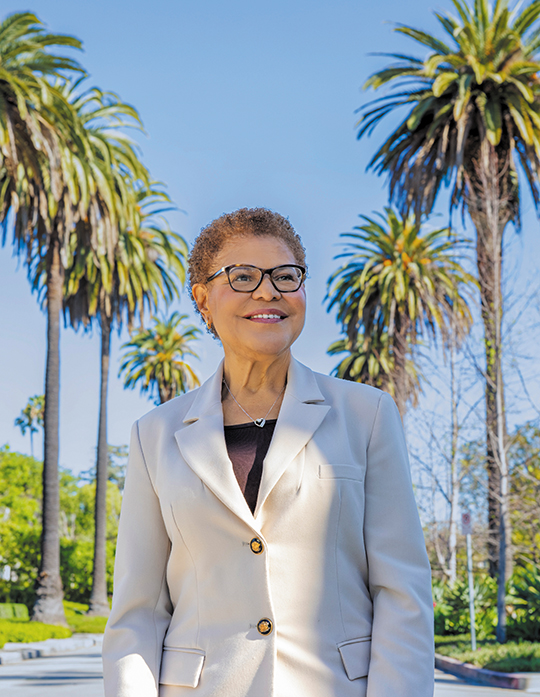
Mayor Bass
Mayor Karen Bass: 1) Before I took office, homelessness only went in one direction in L.A. — up. In the six years before my election, homelessness had nearly doubled — from 25,000 to more than 46,000 people on our streets. Housing was being underbuilt, crime was rising, and LAPD was shrinking. For decades, City Hall had avoided taking on tough and unpopular issues.
In three years, we delivered the first-ever consecutive-year decline in street homelessness. It’s down in L.A. by 17.5%, while at the same time, nationally it went up 18%. Homicides are at a 60-year low. We’ve accelerated 42,000 units of affordable housing. And when the Trump administration came after our city and our immigrant communities, I stood up and fought back.
We still have a long way to go. But we changed the direction of this city, and there’s too much at stake to go back.
2) SB 79 is the law. The plan approved by the Council and that I signed represents a path forward that builds the housing we need while protecting neighborhoods the best that we can.
3) Before I was mayor, the de facto city policy was to leave people out on the street until an apartment was built. That is why homelessness exploded—going from 25,000 to 46,000 in the six years before I was elected. That’s why I declared a state of emergency on homelessness and launched the city’s first encampment strategy. Now, for the first time ever, LA saw consecutive-year reductions in street homelessness and an 18% decline — while the rest of the country saw an 18% increase.
But getting people inside is only half the equation. We have to keep people from becoming homeless in the first place. In partnership with the Mayor’s Fund, we have connected 31,000 Angelenos with resources to stay in their homes—legal help, rental assistance, healthcare. Prevention is how you stop the cycle.
And we’re building the pipeline to make this sustainable. LA4LA, our public-private partnership, is acquiring existing buildings so we don’t have to wait on new construction. We’re also investing in housing with real services—mental health, addiction treatment, job placement—so people can actually rebuild their lives. And we fought Washington to remove barriers that kept veterans and low-income Angelenos from accessing housing vouchers they’d earned.
This isn’t just about clearing encampments. It’s about treating people with dignity while making our neighborhoods safer and cleaner.
Rue Huang and Spencer Pratt did not respond by presstime. Nithya Raman is interviewed on Page 1. Adam Miller was interviewed in the April issue.
Candidates for CD5
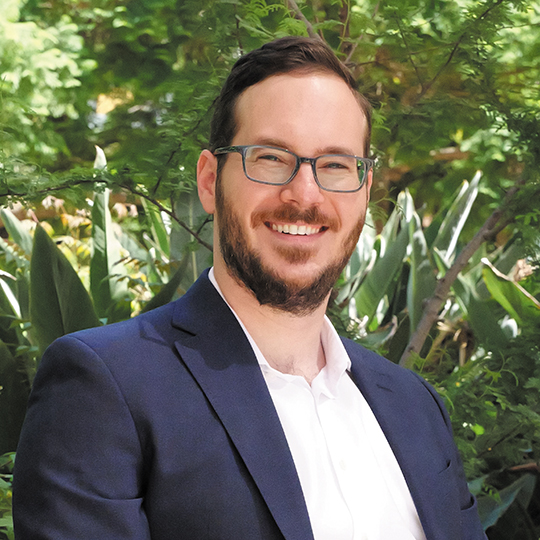
Henry Mantel
Henry Mantel: 1) As a tenants’ rights’ attorney, I’ve seen firsthand just how much harm the housing crisis is causing and how necessary it is that we have leaders who are willing to face it head on. Young people are moving out, working families are struggling, business is suffering, our infrastructure is crumbling, our government is bankrupt, our streets are unsafe, and homelessness persists all because of the city’s failure to allow for more housing. We need leaders who will address this crisis with the urgency it demands and that’s what I will do.
2) I support SB79 wholeheartedly. Under city law, it is outright illegal to build more housing in more than 70% of the city and has been since segregation. The only way we are going to solve the housing crisis and make L.A. more affordable, walkable, and beautiful is by making it legal to build more housing, especially by transit stations. The city should have done this on its own years ago without needing to be forced to by the state. SB79 only exists because of the L.A. political establishment’s abject failure to address the housing crisis.
3) So long as we have a shortage of housing, homelessness will persist. I plan on legalizing and streamlining housing construction, including permanent supportive housing, so that there are places for people living on the streets to go. I also plan on investing in more mental health services so that those dealing with severe mental illnesses and drug addictions can get the help they need. I would also expand L.A.’s unarmed crisis response program so that those dealing with severe mental health episodes are handled by trained professionals, leaving the police to handle more urgent matters, like violent crime and burglaries.
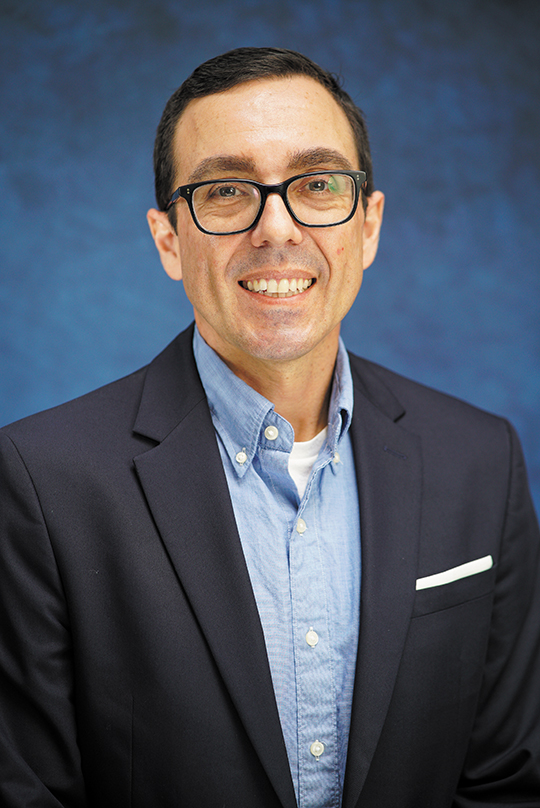
Morgan Oyler
Morgan Oyler: 1) I am the best candidate for District 5 because I have the background and knowledge to craft policy that benefits all residents in the district and the commitment to service to ensure that the people’s interests are well represented. I have degrees in history, accounting, and economics; five years of direct social service experience; and over 10 years of real-world private sector experience. Los Angeles faces a lot of challenges, and those currently in power have shown little desire or ability to meaningfully address these issues. Only with new leadership will we be able to fix this city.
2) I support SB79 because the housing crisis is the number one issue facing our city. Decades of housing constraint have led us here, and we need to take substantive action to fix it. It’s not a perfect piece of legislation, but the choice is not between implementing state law and doing nothing, it’s a choice between implementing state law at the local level or having Sacramento decide what gets built and where. I would prefer these decisions remain within the purview of local electeds. We must do something, and SB79 is one tool we can use to build a more affordable and equitable city.
3) The best way to fix the homelessness problem is to ensure there is enough housing stock for all income levels. Only then can we reduce the risk for people on the margins and focus on providing services to those who need them most. For the most visible of the homeless population, we should provide service and treatment with expectation and consequence for both individuals and providers. Fundamentally, the homeless crisis derives from the broader housing crisis. By addressing this issue with the full force of city government, we can make progress on this issue.
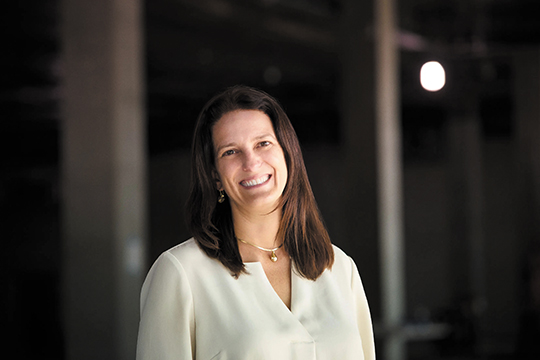
Katy Yaroslavsky
Councilwoman Katy Yarosklavsky: 1) Over the past three years, I’ve focused on delivering real results, building coalitions, and making City Hall more effective.
In Council District 5, we’ve made measurable progress. Street homelessness is down 27%, we’ve expanded interim housing so people have a path off the street, we passed historic renter protections, and we’ve improved core services like street paving, tree trimming, and streetlight repair, even during a difficult budget year.
As Budget Chair, I helped guide the city through a nearly $1 billion deficit while protecting core services. I also voted against the risky Convention Center expansion and led investments to make streetlights more reliable.
I’m running for re-election because there is more work to do. There is a clear gap between what residents expect from city services and what the city delivers, and my focus is to close that gap and make Los Angeles more livable and affordable.
2) On housing, my focus is on fixing what we control and doing it with urgency. We need to make sure housing actually gets built by fixing the city’s slow and unpredictable approval process. We also need to build housing that meets our community’s needs, including mid-rise, family-sized homes and more pathways to ownership, while planning for growth by aligning infrastructure, design, and fire safety, and focusing the most density along major corridors.
3) On homelessness, I’ve focused on results and accountability. We’ve seen a 27% decrease in homelessness by expanding housing options and setting a clear standard for encampments. No-camping laws around sensitive sites like schools, parks, and daycare centers are enforced consistently. For new no-camping zones, we pair enforcement with outreach and verified housing options so people are moved into housing, not from block to block.
We’ve made progress, but more needs to be done, especially for people with serious mental health and addiction challenges. My focus is to scale what works and ensure the city delivers results people can see.
Candidates for CD 13
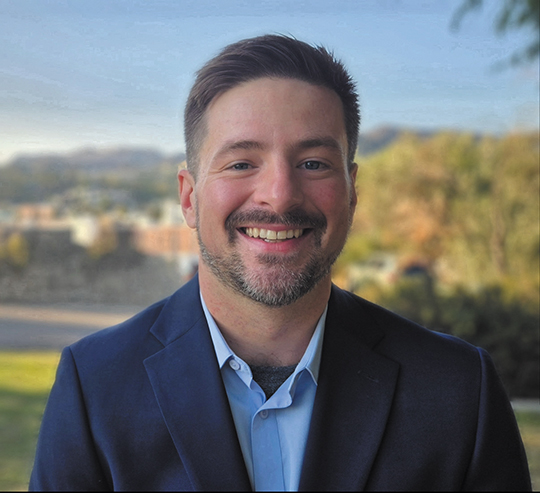
Colter Carlisle
Colter Carlisle: 1) Voters should choose me because I am the only candidate with the experience to lead the district. As vice president of the East Hollywood Neighborhood Council and chair of its Land Use Committee, I have spent five years working to defend rent-controlled housing and pushback against policies that prioritize luxury development over community stability. I am the only candidate who will fight irresponsible density, create more parking, and keep lanes of traffic open and moving. I will also fight back against growing antisemitism and make sure everyone can live with dignity and respect in their own communities. Lastly, I will ensure City Hall is responsive, accessible, and grounded in the needs of everyday Angelenos.
2) SB 79 is a disaster for Los Angeles. It will lead to the destruction of our neighborhoods and rent-controlled apartments in favor of 10-story luxury buildings that few can afford. Because SB 79 applies to major transit hubs and bus lanes, the expansion of bus lanes will not only make it harder to park and drive in Los Angeles, but is, in fact, a ploy to expand SB 79 zones across the city. As your next City Councilmember, I am the only candidate who will fight back against SB 79 and protect our communities.
3) In March 2025, a court-ordered independent audit found that City and County of Los Angeles officials could not accurately track $2.4 billion in homelessness spending. As your next Councilmember, I will rebuild the system from the ground up, restore accountability, and enforce SB 43, which allows the city to place individuals experiencing severe mental health or substance use crises into medical facilities where they can receive proper care. My opponent has refused to enforce this law, leaving both unhoused individuals and the broader community at greater risk.

Kylan Kendall
Kylan Kendall: 1) A 30-year community member of Council District 13 who raised my kids here, I’m running because I’ve never seen our district so neglected. Over the past three years, residents have endured visible disorder on our streets, disregard for our small businesses, and indifference from our elected leadership. We’ve lost the ethos that once made this district the creative and cultural heart of Los Angeles and that erosion has left neighbors feeling forgotten and frustrated.
This decline didn’t happen overnight. It’s the cumulative result of years of neighborhood development without a coherent vision. We’ve failed to invest in leadership that understands how to design livable cities. My vision for CD13 is grounded in holistic planning built around the “15-minute city” model—designing neighborhoods where residents have access to housing, green space, local shops, cultural activities, and jobs. Our office will curate neighborhood growth that reinforces stability, community character and sustainability.
2) On housing, I oppose Senate Bill 79 because it wields a mallet where we need a scalpel. I believe in building more housing— affordable, workforce, starter, and supportive—but with respect for each neighborhood’s social and physical fabric.
3) In 2005, I founded the nation’s only arts-based educational agency dedicated to breaking the path to homelessness for high-risk young adults—proving that prevention and opportunity change lives. My approach begins with compassion tied to measurable results. Today, one in four shelter beds goes unused because city departments and outreach providers fail to coordinate. I will enforce existing laws like 41.18 [prohibits sitting, sleeping, etc. on public property particularly withing 500 feet of schools, parks, etc.] because compassion means protecting both unhoused and housed neighbors from unsafe conditions, fire hazards, and the loss of public space.
Council District 13 deserves leadership rooted in accountability, design, and empathy. I’m ready to restore our pride, safety, and shared sense of place.
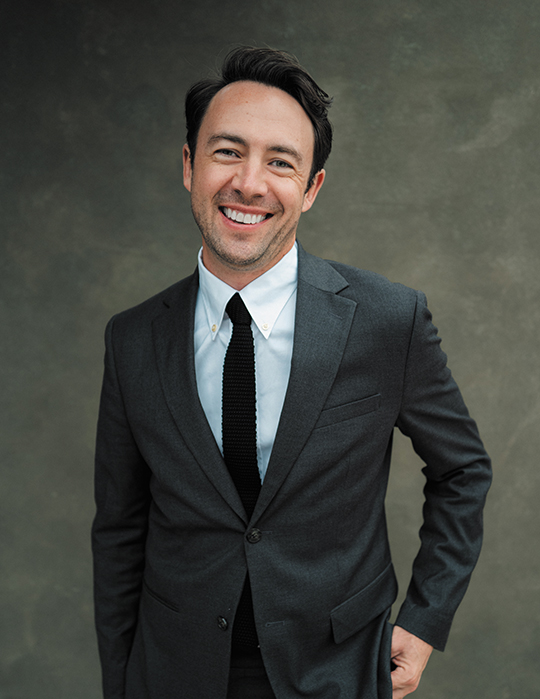
Rich Sarian
Rich Sarian: 1) Council District 13 deserves real leadership that delivers results and restores trust in City Hall. I’m a third-generation Angeleno, lived in the district most of my adult life, and have a legitimate track record of bringing people together to solve tough problems, from public safety to economic opportunity. I’ve worked alongisde every level of government and led complex, people focused initiatives, managing budgets, building coalitions, and delivering real results.
Voters should choose me because I’ll be a hands-on, accountable councilmember focused on safer neighborhoods, more affordable housing, and a city that works for everyone, not just the well-connected. I’ll actually show up, listen, and fight to make sure our communities see real progress, not just empty promises.
2) SB 79 is now law and reflects the urgency of our housing crisis and the need to build more homes, especially near accessible transit. I support its goal of increasing housing supply, resulting in lower costs for our residents, but implementation matters.
As councilmember, I’ll work to ensure new development includes meaningful affordability, protects existing tenants, and reflects community input. That means pushing for smart planning, strong anti-displacement measures, and infrastructure investments so growth benefits current residents, not just future ones. We need more housing, but it must be affordable, equitable, sustainable, and aligned with neighborhood needs and character.
3) We need a results-driven, compassionate approach that moves people indoors quickly and keeps them there. That starts with scaling proven solutions like interim housing, permanent supportive housing, and rental assistance.
I’ll push for better coordination across agencies, faster project delivery, and accountability for real results. We also need to expand mental health and substance use services and prevent homelessness in the first place by stabilizing renters at risk.
This crisis demands urgency and focus, and I’ll bring both to ensure fewer people are living on our streets and more are on a path to stability.
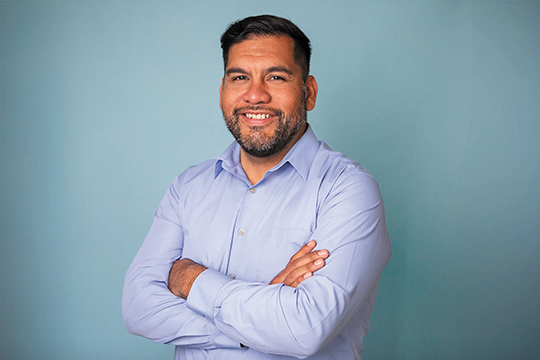
Hugo Soto-Martínez
Councilman Hugo Soto-Martínez: 1) My approach is rooted in community engagement and delivering results.
My focus is improving quality of life across the district. Our office has invested more in streetlight repairs than any other district, and we’ve worked closely with neighbors on projects like the proposed sale of Larchmont lot 694. We listen, engage, and move forward in a community-driven process.
I’ve also taken on citywide issues, including co-authoring LA’s Sanctuary City law and raising wages for working people to build a stronger and more inclusive city.
2) My team has been very involved with residents in Larchmont, Windsor Square, and across the district to understand the potential impacts of SB 79 and how the City is implementing it. We’ve also worked closely with the Livable Communities Initiative and organizations like LUNA to think proactively about how to bring more housing into our communities in a way that preserves neighborhood character.
3) Since we took office, street homelessness in the district has decreased by 25%.
First, we created CD13’s first dedicated homelessness team to coordinate with the more than 40 service providers in the district and provide direct outreach.
When we took office, the vacancy rate at some of our district’s shelters was nearly 50% on any given night. Today, it’s nearly zero.
That has allowed us to shift to expanding new interim and permanent housing options, including 52 beds in Hollywood and 51 more beds opening next year in East Hollywood.
We also know it’s more effective to keep people housed than to rehouse them after they’ve lost their homes, so we created the city’s first Homelessness Prevention Team, which has helped hundreds of tenants stay housed through legal support and rental assistance.
By following what works — housing along with mental health and addiction treatment — we can make real progress.
Category: News