A slippery argument: Are seed oils toxic?
 One of the many things “health-conscious” communities seem to be voicing concern about is the effects of “seed oils” on our health. Several different prominent wellness influencers on social media have been describing seed oils as toxic and unhealthy. Admittedly, I normally scroll past content like this on my phone because sensational headlines and anecdotal evidence don’t really do it for me, but this topic has been popping up so much that I figured it’d be worth it to do a little deep dive for this month’s issue.
To start, lets define what a “seed oil” is. A seed oil is any oil made from the seeds of plants. Examples include sunflower oil, canola oil, soybean oil, corn oil, safflower oil, and grapeseed oil. They’re often an attractive ingredient for cooking and baking because they have a relatively mild flavor and are easy to cook with. In contrast, other oils, such as coconut oil, olive oil, and avocado oil are made from fruits. And, of course, there are animal-based fats like ghee, butter, tallow, and lard. Vegetable oil is a broad category of cooking oils, usually denoting any plant-based oil, however, most cooking oil labeled as “vegetable oil” will name the specific ingredients on the packaging.
There are two categories of fats: saturated and unsaturated. Saturated fats are solid at room temperature because their molecules pack tightly with each other. Unsaturated fats are liquids at room temperature because their molecules do not pack tightly together. Omega-N fats (which include omega-3, omega-6, and omega-9 fats) have multiple bends in their structure and are thus known as “poly”-unsaturated fats.
Many health and wellness activists have criticized seed oils for contributing to chronic illnesses, inflammation, and obesity. People are also concerned about their general health effects due to their polyunsaturation and omega-6 content. Let’s unpack these claims and see what we can learn.
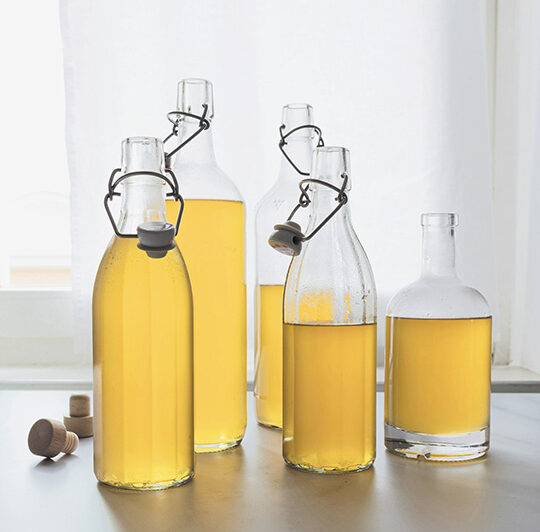
SEED OILS. Bad for you? Good for you? Life is a balance.
Photo by Stephanie Sarlos
Omega-3 and omega-6 fatty acids are both considered “essential” fatty acids, meaning the body cannot make them itself and, instead, must get them through dietary sources. Seed oils are higher in omega-6 oils than omega-3 oils. Critics claim that the omega-6 fatty acids found in seed oils cause inflammation, which can contribute to chronic illness. The theory behind this claim comes from the observation that our main source of omega-6 is a compound called linoleic acid, which can break down into a compound called arachidonic acid, which has been found to promote inflammation. There hasn’t been much scientific data to support this claim. In one study, people who consumed a large amount of linoleic acid ended up producing very little arachidonic acid in comparison. Clinical trial data has also shown that when you feed people linoleic acid, there are no observable increases in biological evidence of inflammation. Nonetheless, inflammation can be a tricky thing to accurately measure, and there isn’t a gold standard metric agreed upon. Interestingly, linoleic acid has been shown to lower cholesterol, improve insulin activity, and reduce the risk of coronary heart disease.
Some critics also claim that toxic chemicals are found in seed oils. Starting in the early 1900s, engineers found that using the solvent hexane could help get all the oil out of seeds and fruits, rather than relying on the laborious technique of using machines to physically press the oil out of the seeds, which often leaves some oil still trapped in the plant fibers. Hexane is toxic in high amounts, although the only reported cases of hexane toxicity have come from individuals who work in factories or laboratories and are in contact with the chemical in high concentrations on a daily basis, rather than toxicity caused by diet. Nonetheless, this brings up an interesting point about the difference in regulation systems between countries. In America, regulation generally allows ingredients as long as they are not proven to be harmful. In Europe, ingredients must be proven safe before they are allowed. Nonetheless, the amount of trace hexane in seed oils in the U.S. (0.8 mg per kg) falls within the European limit (1 mg per kg).
If anything, it is important to remember that we have the right to make informed decisions as consumers and to know what we are consuming. I never like to end an article telling my readers what to think. As usual, I prefer you form your own opinion from the evidence I’ve gathered and presented here. What goes in your body is important, you get to decide!
Category: Entertainment